
Here’s something most business owners never think about until it becomes too late.
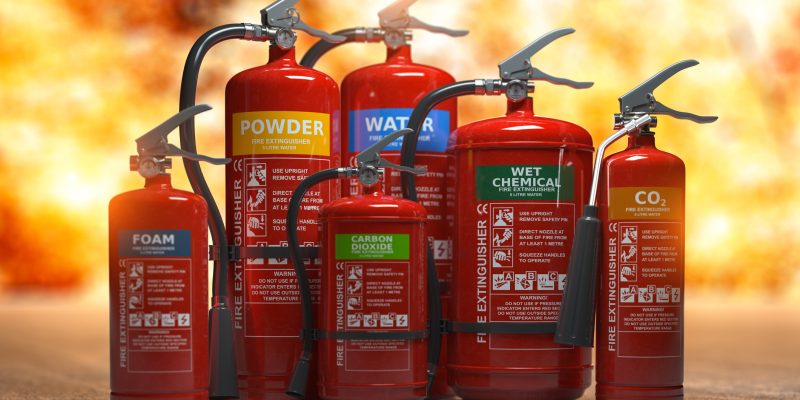
That fire extinguisher hanging on your wall requires regular maintenance, together with the fire hose reels and sprinkler systems – basically every single piece of fire safety equipment within your building.
But how often is ‘regular’? And who decides these things anyway?
Let’s get this right because it goes way beyond a simple matter of compliance, it determines whether your equipment will actually work when needed.
Why Fire Equipment Servicing Actually Matters
I know what you’re thinking. Fire equipment just sits there, which makes it easy to forget about.
That is exactly the point, that extinguisher you walked past this morning has been slowly losing pressure; those fire hose reels – the seals dry out, and a valve in your sprinkler system quietly corrodes away.
A fire can be extinguished with the right equipment, but only if that equipment actually works. The only way to know it’ll function when you need it is to have a qualified technician regularly inspect it.
The other thing that people often overlook is that insurance companies are also tightening up on this.
If you cannot provide proper servicing records and something goes wrong, you may find yourself in a tricky spot with your claim.
The Australian Standard You Need to Know About
In Australia, AS 1851-2012 is the standard for servicing fire equipment. Fire service technicians call it “the bible” for the industry, which tells you how important it is.
This standard lays out exactly what needs to be checked, how often, and what records you need. Each state has its own legislation that pulls AS 1851 into law, so it’s not optional.
The standard includes requirements for everything from fire extinguishers to sprinkler systems and fire alarms.
Fire Extinguisher Servicing: The Six-Month Rule
Let’s start with the obvious one. Fire extinguishers need checking every six months. Not seven months. Not “whenever we remember”. Every six months.
During these checks, a qualified technician will:
- Make sure the extinguisher is actually where it should be and easy to get to.
- Check the anti-tamper device is intact.
- Look for any damage or corrosion.
- Verify the pressure gauge is in the green zone.
- Confirm the operating instructions are still readable.
Update the service tag with the inspection date. This isn’t something you can do as you walk past. It’s done by someone who knows the differences between an extinguisher that will work and one that appears to be working but fails at a critical time.
We perform complete fire extinguisher servicing in Perth and all over Australia. Our technicians know what to look for and never compromise your safety by missing any detail.
Five-year full pressure testing is required on the extinguishers. The cylinder has to be emptied, internally inspected, and tested.
This is normally the stage at which most companies simply replace the unit with a new fire extinguisher rather than having it refurbished – it’s more economical, and you get updated models with the latest safety feature enhancements.
Fire Hose Reels: Another Six-Month Job
Fire hose reels are checked on the same six-month schedule as extinguishers. It’s worth doing these checks properly because, even though most people think they just sit there, hose reels get a fair bit of use. They’re exposed to temperature changes and dust – sometimes the occasional knock from a forklift.
The inspection covers:
- Hose and nozzle condition.
- Reel winding and unwinding function.
- Water flow and pressure.
- System leaks.
- Signage and operating instructions.
At Integral Fire Protection, our fire hose reel services include installations and maintenance together with the all-important six-month checks. We have come across far too many reels that appear to be in good condition but will not deliver water.
Fire Blanket: Simple But Still Important
Fire blankets appear simple. They need a check to confirm they are accessible, the packaging is not damaged, and clear instructions can be read on the package. It’s a quick check but an important one.
We supply fire blankets as part of our total fire safety offering and return periodically to service them. Most regulations require their installation in commercial kitchens or any area where cooking takes place.
Monthly Checks for Larger Systems
Some equipment needs more frequent attention than the standard six-month checks. If your building has larger or more complex fire protection systems, you’re looking at monthly inspections to keep everything running properly.
Monthly checks apply to:
- Fire Sprinkler Systems: Your building’s main defence against fire spread. Monthly checks cover alarm valves, water flow indicators, and pressure gauges.
- Fire Pump Sets: Pumps are tested every month by running the pump and checking for any leaks, also making sure the automatic start function is working.
- Fire Detection and Alarm Systems: Monthly testing of indicator lights, alarm sounders, and system logbooks. We maintain FIP, EWIS & OWIS systems.
- Hydrant Systems: Monthly visual inspections ensure that valves are accessible and undamaged. More detailed testing is conducted on a six-month basis.
We’ll take note of all the different schedules so you won’t have to call us every month for various services. Setting up a scheduled service program is much easier on our end and yours as well.
The Annual Service Schedule
Exit and emergency lighting systems require annual servicing under AS 2293. Annual inspections also cover passive fire and smoke barriers, detailed checks of various fire protection systems, and testing of fire door mechanisms and closers.
At Integral Fire Protection, we perform exit light servicing and fire door servicing together with all your building’s required annual maintenance.
These annual services are much more comprehensive than the regular checks and in most cases they identify service-related wear and tear which has gradually built up over time.
What About Fire Sprinkler Systems?
Fire sprinkler servicing deserves its own mention because these systems are complex. Beyond the monthly checks, they need comprehensive annual testing and five-year major inspections.
The annual service includes flow tests, pressure tests, checking all the sprinkler heads for damage or painting (which stops them working), and verifying the control valves are operating correctly.
We offer full servicing of fire sprinkler systems, from small repairs to complete overhauls. These are not DIY jobs – sprinkler systems need experienced technicians who understand the different types of systems and their specific requirements.
Fire Hydrant Flow Testing
Here’s one that often catches people out. Fire hydrants need proper flow testing to confirm they can actually deliver the water volume and pressure required in an emergency. This testing happens annually or when there’s been work done on the water supply system.
At Integral Fire Protection we conduct hydrant flow tests designed to measure actual performance against the intended design specifications. If results are not as specified, we assist you in determining why – and correcting it.
Keeping Records (Because You’ll Need Them)
Record every inspection. AS 1851 requires that fire extinguishers be serviced at specified intervals, with maintenance record tags or labels securely attached to each unit. State-based building and workplace safety regulations enforce these requirements. This is not bureaucracy for the sake of bureaucracy – this paperwork will be necessary if:
- An auditor comes knocking.
- You’re making an insurance claim.
- You’re selling or leasing the property.
- There’s an incident and someone asks if your equipment was maintained.
Records should state what was checked, when it was checked, who did the checking, and the results of the examination. Any faults found need to be documented together with how they were fixed.
At Integral Fire Protection, we provide full documentation on every service we do. You get updated tags, service reports, and everything you need for your records.
What Happens If You Skip Services?
Besides the obvious safety risks, skipping fire equipment services causes problems you might not expect:
Insurance headaches: most policies require that equipment be maintained under AS 1851. Skip the services and your coverage may be void when you need it.
Compliance issues: The AS 1851 maintenance is listed as a mandatory compliance requirement by the Australian Government Business Licence and Information Service, covering fire protection systems and equipment. Building owners who don’t meet these standards face potential fines and legal consequences.
Failed equipment: Equipment that isn’t maintained doesn’t work properly. Pressure drops, seals fail, and components corrode. When you need it most, it lets you down.
Who Can Actually Service This Stuff?
Not everyone can service fire equipment. Technicians must be qualified and accredited. At Integral Fire Protection, our team is trained and experienced in servicing the full range of fire protection systems.
We operate throughout Perth with clients all over Australia. From simple extinguisher checks to complicated maintenance on a fire alarm system, we have the expertise to perform the work correctly.
Getting Started with a Proper Service Schedule
If you’re unsure when your fire equipment was last serviced, check the tags on your extinguishers and other equipment. When were they last serviced? If it has been more than six months – for hose reels and extinguishers – then you are overdue.
At Integral Fire Protection, we offer free site audits. We’ll come out, identify what equipment you have and what it needs, and give you a clear quote for getting everything up to speed and keeping it there.
The smarter way is to put in place a contract for regular servicing and maintenance of fire equipment. That means all services are carried out at the correct intervals automatically. No trying to remember what service was done when or looking for paperwork. It just gets done.
The Bottom Line on Fire Equipment Servicing
Fire safety is not a set-and-forget requirement. The maintenance needs to be carried out at specific intervals based on Australian Standards: six-month intervals for extinguishers, hose reels, and blankets; monthly (yes, that’s right – in most places this gets missed!) on major systems like sprinklers and alarms; and annual detailed inspections and testing.
Get it right so your equipment works when you need it, your insurance is valid and you’re meeting your legal obligations. Most importantly? You’re keeping people and property safe.
We do this for businesses all over Western Australia and beyond. From single fire extinguishers to complex building-wide systems, we provide sales, installation, servicing, and maintenance to keep your fire protection working properly.
Don’t wait for an audit or, worse still, a real fire to discover that your equipment has not been maintained.
Put a servicing schedule in place and make sure you adhere to it. You will thank yourself later.
Not sure when you last had your fire equipment serviced? Call us at Integral Fire Protection to book a free site audit and quotation.
We’ll determine exactly what you need so you can stop worrying about whether or not your fire safety is up to standard.